Oral Health and Overall Health: Why a Healthy Mouth Means a Healthier Body
When people think about oral health, they often focus on having white teeth and fresh breath. However, your mouth is much more than your smile—it’s a gateway to your overall health. Research has consistently shown that poor oral hygiene can contribute to a variety of serious health conditions, making regular dental care an essential part of a healthy lifestyle.
At Trust Dents, we believe that maintaining good oral health is not just about preventing cavities. It’s about protecting your entire body. Understanding the connection between oral health and overall health can help you take better care of yourself and prevent long-term health complications.
Why Is Oral Health Important?
Your mouth naturally contains millions of bacteria. Most of these microorganisms are harmless when good oral hygiene is maintained. Daily brushing, flossing, and regular dental check-ups help keep harmful bacteria under control.
Without proper oral care, bacteria can multiply and lead to common dental problems such as:
- Tooth decay
- Gum disease (Gingivitis)
- Periodontitis
- Bad breath
- Oral infections
If left untreated, these bacteria and the inflammation they cause may affect other parts of the body.
The Connection Between Oral Health and Overall Health
Your mouth is the entry point to both your digestive and respiratory systems. Harmful bacteria from infected gums or untreated dental problems can enter the bloodstream, increasing inflammation throughout the body.
Researchers continue to study this relationship, and growing evidence suggests that maintaining healthy teeth and gums may support better overall health.
Health Conditions Linked to Poor Oral Health

Heart Disease
Chronic inflammation caused by gum disease may increase the risk of cardiovascular disease. Oral bacteria may enter the bloodstream and contribute to inflammation that affects the heart and blood vessels.

Diabetes
People living with diabetes are more likely to develop gum disease because high blood sugar levels make it harder for the body to fight infections.

Respiratory Infections
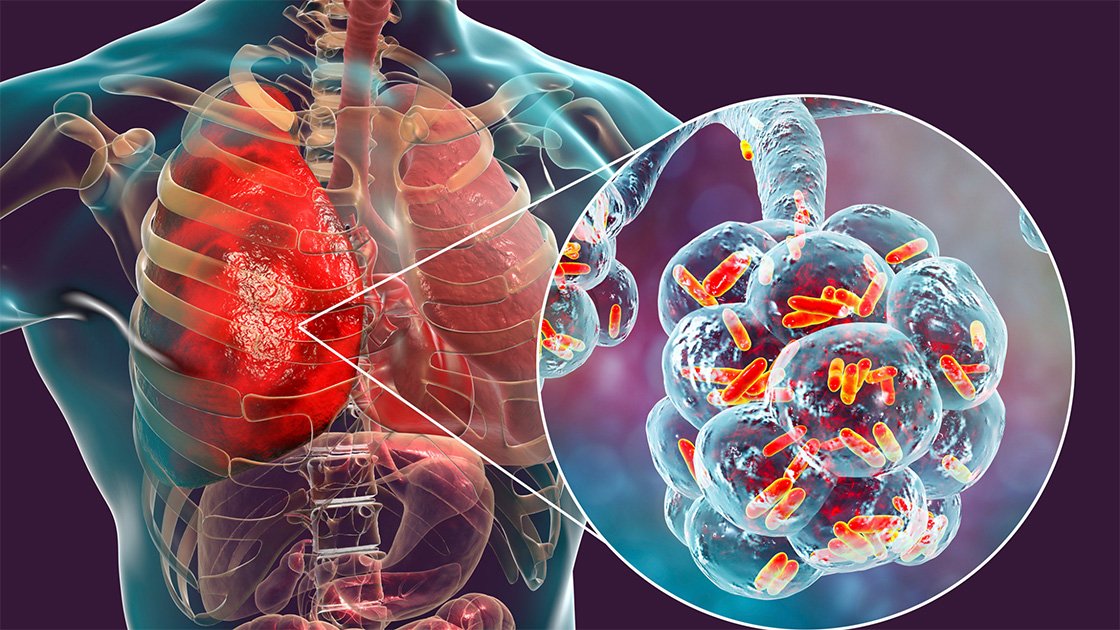
Bacteria from the mouth can sometimes be inhaled into the lungs, increasing the risk of respiratory infections such as pneumonia, particularly in older adults and individuals with weakened immune systems.

Pregnancy Complications
Research has linked advanced gum disease (periodontitis) with an increased risk of premature birth and low birth weight. Regular dental check-ups during pregnancy can help support both maternal and baby health.

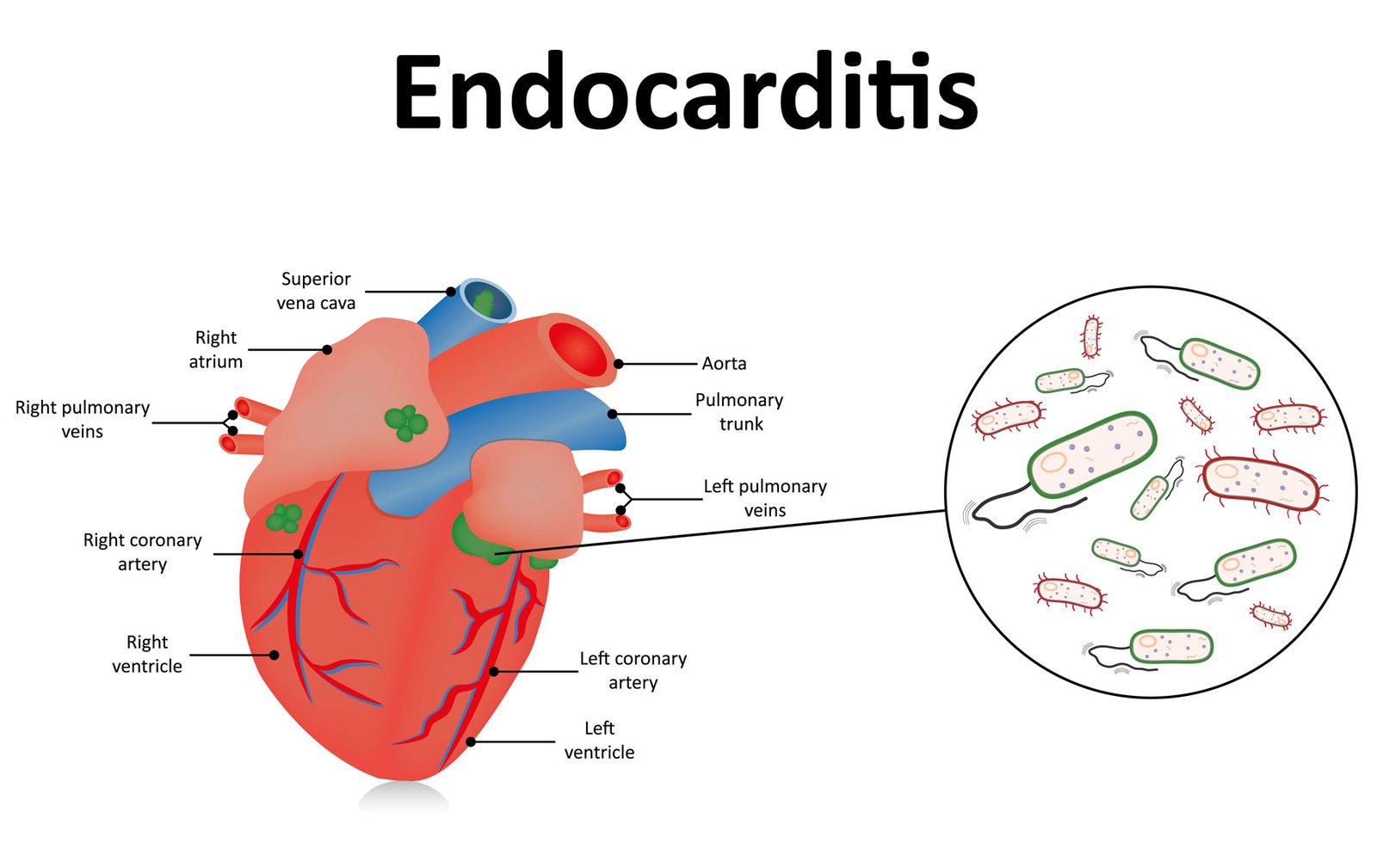
Infective Endocarditis
Although uncommon, bacteria from the mouth may enter the bloodstream and infect the inner lining of the heart, particularly in people with certain heart conditions.

Alzheimer’s Disease
Some studies suggest a possible association between chronic gum disease and cognitive decline. While research is ongoing, maintaining good oral hygiene remains an important part of overall healthy aging.
Conditions That Can Affect Your Oral Health
Just as oral health influences the body, several medical conditions can also impact your mouth.
These include:
- Diabetes
- HIV/AIDS
- Cancer treatments
- Sjögren’s syndrome (dry mouth)
- Autoimmune disorders
- Eating disorders
Certain medications, including antihistamines, antidepressants, pain medications, and diuretics, may reduce saliva production. Saliva helps wash away bacteria and food particles, so reduced saliva can increase the risk of cavities and gum disease.
Always inform your dentist about your medical history and any medications you are taking.
Warning Signs You Should Never Ignore
Schedule a dental examination if you experience:
- Bleeding gums
- Persistent bad breath
- Loose teeth
- Tooth sensitivity
- Mouth sores that do not heal
- Swollen or painful gums
- Difficulty chewing
- Dry mouth
Early diagnosis often leads to simpler and more effective treatment.
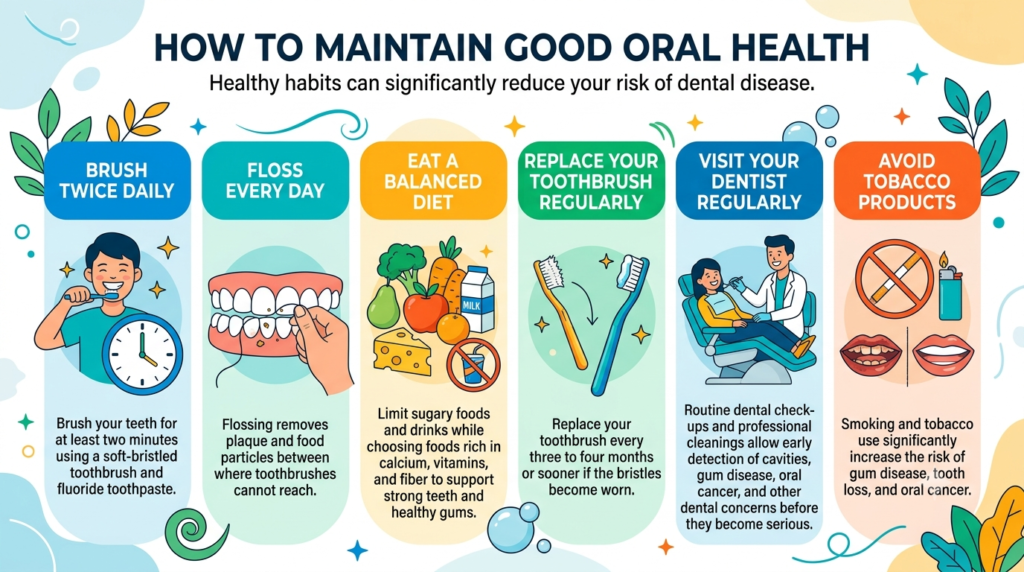
How to Maintain Good Oral Health
Healthy habits can significantly reduce your risk of dental disease.

Why Preventive Dental Care Matters
Preventive dentistry is one of the most effective ways to maintain lifelong oral health. Regular dental examinations help identify problems early, often before symptoms appear.
Preventive dental care offers several benefits:
- Lower treatment costs
- Reduced risk of tooth loss
- Healthier gums
- Early detection of oral diseases
- Improved overall health
- Greater confidence in your smile
Trust Dents’ Commitment to Better Oral Health
At Trust Dents, we are committed to helping individuals make informed decisions about their oral health by providing reliable dental information and connecting patients with trusted dental professionals.
We encourage everyone to prioritize preventive dental care because a healthy mouth contributes to a healthier body.
Final Thoughts
Your oral health is closely connected to your overall well-being. Good daily oral hygiene, regular dental check-ups, and early treatment of dental problems can reduce the risk of serious health conditions while helping you maintain a healthy smile for life.
Don’t wait for pain to visit the dentist. Taking care of your teeth and gums today is an investment in your long-term health.
Trust Dents – Connecting Patients with Trusted Dental Care and Healthier Smiles.
oral health and overall health, oral health, overall health, preventive dental care, oral hygiene, gum disease, periodontitis, dental check-ups, healthy teeth, healthy gums, tooth decay, oral bacteria, heart disease and oral health, diabetes and oral health, respiratory infections, oral cancer screening, dental cleaning, dental care tips, family dental care, professional dental care, trusted dentist, dental wellness, healthy smile, dental health awareness, oral healthcare, Trust Dents, preventive dentistry, dental health, mouth health, oral disease prevention