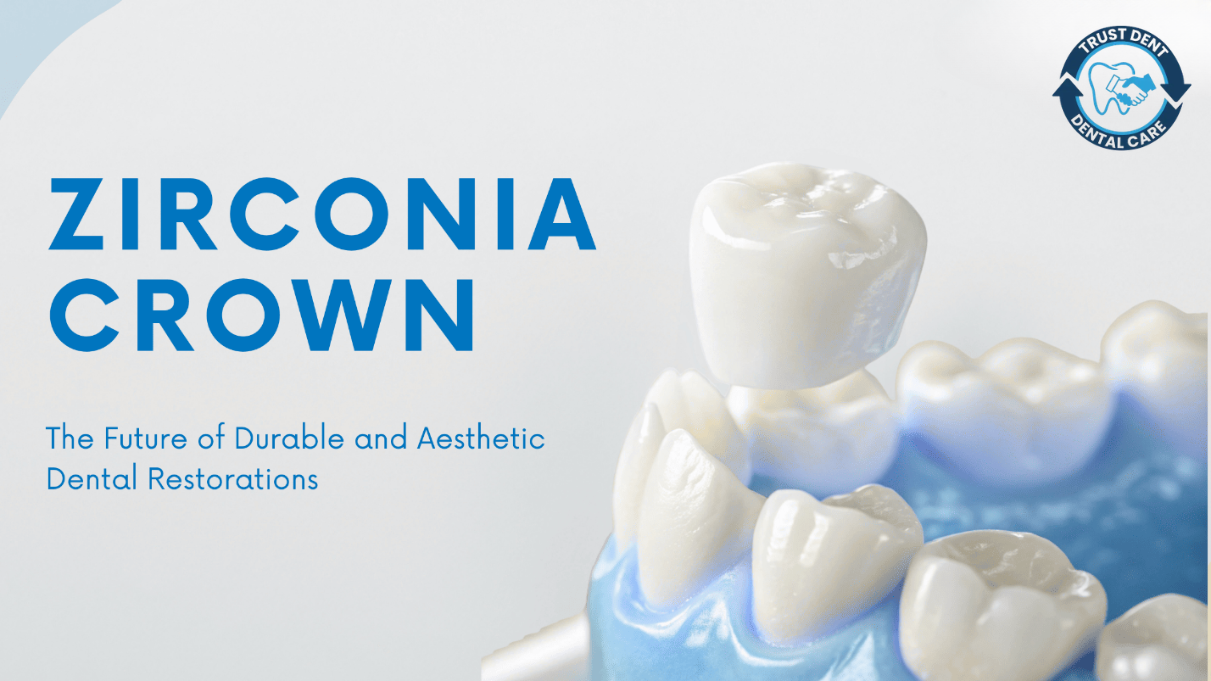
Zirconia Dental Crowns: Benefits, Drawbacks, Cost, and Everything You Need to Know
A damaged or weakened tooth doesn’t always need to be removed. Thanks to modern restorative dentistry, treatments like zirconia dental crowns can restore the strength, function, and appearance of natural teeth while protecting them from further damage.
In recent years, zirconia crowns have become one of the most recommended options for restoring broken, cracked, root canal-treated, or severely decayed teeth. Their exceptional durability, natural appearance, and biocompatibility make them a preferred choice among dentists and patients alike.
However, like every dental restoration, zirconia crowns have both advantages and limitations. Understanding these factors can help you make an informed decision about your dental treatment.
At Trust Dents, we believe that patient education is just as important as treatment itself. This comprehensive guide explains everything you need to know about zirconia dental crowns, including their benefits, disadvantages, lifespan, cost, maintenance, and whether they’re the right option for your smile.
What Are Zirconia Dental Crowns?
Among various crown materials available today—including porcelain, ceramic, metal, porcelain-fused-to-metal (PFM), and gold—zirconia crowns have become increasingly popular because they combine outstanding strength with excellent aesthetics.
Zirconia is made from zirconium dioxide, a highly durable ceramic material widely used in modern dentistry because of its resistance to wear, fractures, and corrosion.
A dental crown is a custom-made cap placed over a damaged tooth to restore its original shape, size, strength, and appearance. Crowns are commonly recommended when a tooth is:
- Severely decayed
- Broken or fractured
- Worn down
- Weak after root canal treatment
- Misshapen
- Discolored
- Supporting a dental bridge
- Replacing a missing tooth on a dental implant
Why Are Zirconia Crowns Becoming So Popular?
Modern patients expect dental restorations that are not only functional but also natural-looking and long-lasting.
Zirconia crowns successfully meet these expectations because they provide:
- Superior strength
- Natural tooth-like appearance
- Excellent longevity
- Biocompatibility
- Minimal maintenance
- High resistance to staining
For many patients, zirconia offers the ideal balance between beauty and durability.
Benefits of Zirconia Dental Crowns:
One of the biggest reasons dentists recommend zirconia crowns is their remarkable strength.
Unlike some traditional porcelain crowns that may chip under heavy biting pressure, zirconia can tolerate significant chewing forces without breaking easily.
This makes zirconia an excellent option for:
- Molars
- Premolars
- Patients who grind their teeth
- Heavy bite forces
- Large restorations
With proper care, zirconia crowns can remain functional for 15 years or even longer.
Earlier generations of zirconia appeared opaque and less natural.
Today’s advanced multilayer zirconia crowns closely mimic the color, translucency, and texture of natural teeth.
They blend beautifully with surrounding teeth and provide an attractive smile without appearing artificial.
This makes zirconia suitable for:
- Front teeth
- Smile makeovers
- Cosmetic dentistry
- Full-mouth rehabilitation
Zirconia is highly biocompatible, meaning it works harmoniously with the body’s tissues.
Unlike certain metal-based crowns, zirconia rarely causes:
- Gum irritation
- Allergic reactions
- Tissue inflammation
- Metallic taste
Healthy gum tissue often adapts exceptionally well around zirconia restorations.
Many patients prefer metal-free dental restorations.
Zirconia crowns contain no visible metal framework, eliminating the dark gum line sometimes seen with porcelain-fused-to-metal crowns.
They are an excellent solution for patients seeking:
- Cosmetic improvements
- Allergy-friendly materials
- Natural smile aesthetics
Everyday chewing subjects teeth to enormous pressure.
Zirconia’s hardness allows it to resist:
- Cracks
- Chips
- Abrasion
- Surface wear
Its polished surface also reduces plaque accumulation when properly maintained.
Coffee, tea, wine, tobacco, and colored foods can stain natural teeth over time.
Zirconia is highly resistant to staining, allowing crowns to maintain their brightness and appearance for many years.
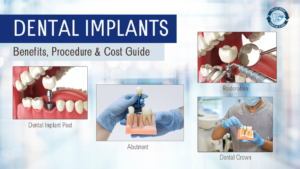
Zirconia crowns are commonly used as the visible portion of dental implants.
Their strength and aesthetics make them one of the most popular crown materials for implant-supported restorations.
When Do Dentists Recommend Zirconia Crowns?
Your dentist may recommend zirconia crowns if you have:
- Large cavities
- Cracked teeth
- Broken teeth
- Root canal-treated teeth
- Worn-down teeth
- Missing teeth with implants
- Cosmetic smile concerns
- Teeth weakened by previous fillings
The final recommendation depends on your bite, oral health, cosmetic goals, and budget.
Disadvantages of Zirconia Dental Crowns
Although zirconia crowns offer many benefits, they also have some limitations.
1. Higher Cost
Compared with metal or acrylic crowns, zirconia crowns generally cost more.
The higher price reflects:
- Premium material quality
- Advanced CAD/CAM technology
- Digital manufacturing
- Long lifespan
Many patients consider this a worthwhile investment because zirconia crowns often last significantly longer.
2. Limited Shade Customization
Although modern zirconia has improved dramatically, porcelain still provides slightly greater flexibility for highly detailed cosmetic customization.
Patients requiring extremely artistic smile design for front teeth may sometimes benefit from porcelain restorations instead.
3. Hardness
Because zirconia is extremely strong, improper polishing or adjustment could increase wear on opposing natural teeth.
Fortunately, modern polishing techniques have greatly minimized this concern.
4. Risk of Margin Chipping
Although uncommon, zirconia crowns may occasionally chip along their edges under excessive force.
This risk increases in patients who:
- Grind their teeth
- Clench excessively
- Have poor bite alignment
Using a night guard often helps protect the restoration.
Zirconia Crowns vs Porcelain Crowns
Feature | Zirconia Crowns | Porcelain Crowns |
|---|---|---|
Strength | Excellent | Moderate |
Appearance | Very Natural | Highly Natural |
Durability | Excellent | Good |
Stain Resistance | High | Moderate |
Fracture Resistance | High | Moderate |
Best For | Back & Front Teeth | Front Teeth |
Both options provide excellent results, and the ideal choice depends on each patient’s needs.
Frequently Asked Questions
Are zirconia crowns better than porcelain?
Both materials have advantages. Zirconia offers greater strength, while porcelain may provide slightly superior aesthetics in certain cosmetic cases.
Can zirconia crowns break?
Although extremely durable, zirconia crowns can fracture under excessive force or trauma. Proper care significantly reduces this risk.
Do zirconia crowns look natural?
Yes. Modern multilayer zirconia closely resembles natural tooth enamel.
Can zirconia crowns stain?
No. Zirconia is highly resistant to staining from coffee, tea, wine, and other pigmented foods.
Is getting a zirconia crown painful?
The procedure is performed under local anesthesia, making it comfortable for most patients.
Final Thoughts
Zirconia dental crowns have transformed restorative dentistry by offering a combination of exceptional strength, natural aesthetics, and long-lasting performance. Whether you’re restoring a damaged tooth after a root canal, replacing a worn-down tooth, or completing a dental implant, zirconia crowns provide a reliable and aesthetically pleasing solution.
Like any dental treatment, the best choice depends on your oral health, functional needs, and cosmetic goals. Consulting with an experienced dentist can help determine whether zirconia crowns are the right option for your smile.
At Trust Dents, we are committed to helping patients make informed decisions through trusted dental information and evidence-based guidance. Our mission is to connect you with experienced dental professionals who provide high-quality restorative and cosmetic dental care for healthier, stronger, and more confident smiles.
zirconia dental crowns, zirconia crowns, dental crowns, dental crown treatment, zirconia crown benefits, zirconia crown cost, dental crown procedure, tooth restoration, cosmetic dentistry, restorative dentistry, zirconium dioxide crowns, metal free dental crowns, dental crown materials, porcelain vs zirconia crowns, dental implants, root canal crown, cracked tooth treatment, broken tooth restoration, tooth crown cost, durable dental crowns, natural looking dental crowns, dental crown after root canal, smile restoration, dental care, oral health, best dental crowns, crown for damaged tooth, zirconia crown lifespan, biocompatible dental crowns, Trust Dents