Retainers for Teeth: Why They’re Essential for Keeping Your Smile Straight
Have you recently completed braces or clear aligner treatment? Or have you noticed your teeth becoming slightly crowded or developing small gaps over time? If so, you may need a dental retainer.
Many people believe orthodontic treatment ends when braces are removed. However, maintaining straight teeth requires ongoing care. Without a retainer, teeth naturally tend to shift over time, which can affect your smile, bite, and even the longevity of previous dental work.
At Trust Dents, we believe that prevention is always better than correction. In this guide, we’ll explain everything you need to know about retainers for teeth, including how they work, their benefits, different types, cleaning tips, and why they play a vital role in long-term oral health.
Why Do Teeth Shift Over Time?
Many people are surprised to learn that teeth continue to move throughout life. Even after successful orthodontic treatment, natural changes in your mouth can gradually alter tooth positions.
Several factors contribute to tooth movement, including:
- Natural aging
- Teeth grinding (Bruxism)
- Missing teeth
- Gum disease
- Changes in jawbone structure
- Everyday chewing forces
- Tongue pressure and facial muscles
Common signs of shifting teeth include:
- Crowded front teeth
- Small gaps between teeth
- Food getting trapped more frequently
- Changes in your bite
- Difficulty flossing
- Uneven tooth wear
Ignoring these early signs can eventually lead to more complex dental problems.
What Are Dental Retainers?
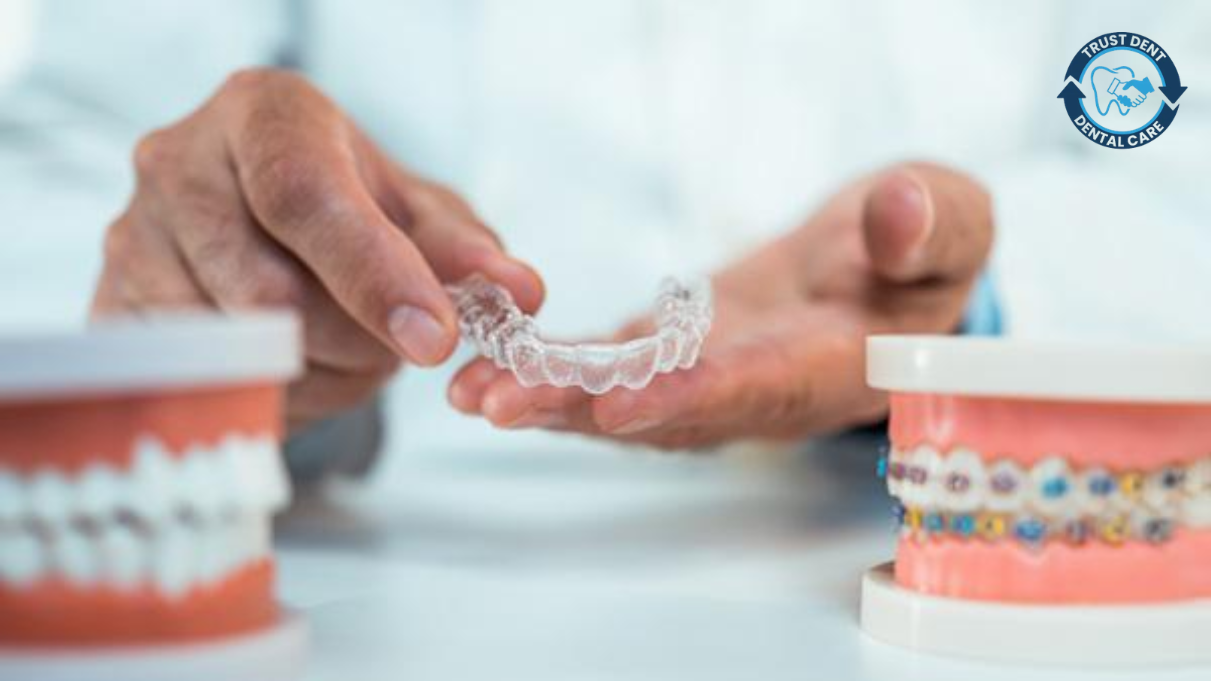
A dental retainer is a custom-made orthodontic appliance designed to keep your teeth in their corrected position after braces or clear aligners.
Unlike braces, retainers do not actively move teeth into new positions. Instead, they maintain tooth alignment, helping prevent unwanted movement and preserving your orthodontic results.
Dentists and orthodontists commonly recommend retainers after:
- Braces
- Clear aligners
- Invisalign® treatment
- Orthodontic correction
- Minor tooth movement correction
Retainers play an essential role in ensuring that your investment in orthodontic treatment lasts for years.
Why Are Retainers So Important?
Many patients underestimate the importance of wearing retainers consistently. However, these simple appliances provide several long-term benefits beyond maintaining a straight smile.

Prevent Teeth from Shifting
The primary purpose of retainers is to prevent your teeth from gradually returning to their original position.Without proper retention, even perfectly aligned teeth may begin to move within months after orthodontic treatment.

Protect Your Bite
A healthy bite allows your upper and lower teeth to fit together correctly during chewing and speaking.Retainers help maintain proper bite alignment, reducing unnecessary pressure on certain teeth and preventing bite-related complications.
Preserve Previous Dental Work
Shifting teeth can affect more than appearance.Maintaining stable tooth positions helps protect these restorations and extends their lifespan.

Improve Oral Hygiene
Crowded or overlapping teeth are more difficult to clean effectively.
Support Long-Term Smile Aesthetics
Your smile is an investment.Whether you’ve undergone braces, Invisalign®, or cosmetic dental treatment, retainers help preserve your beautiful smile for many years.
Who Needs a Dental Retainer?
You may be a good candidate for retainers if you:
- Recently completed orthodontic treatment
- Notice slight movement in your teeth
- Have developed new gaps
- Experience crowded front teeth
- Want to maintain your smile permanently
Your dentist or orthodontist will evaluate your bite and determine the most appropriate retention plan.
Types of Dental Retainers
There are three primary types of retainers.
1. Clear Plastic Retainers
These transparent retainers are custom-made using digital scans or impressions.
Advantages
- Nearly invisible
- Comfortable
- Easy to remove
- Popular after Invisalign®
Best For
- Adults
- Cosmetic-conscious patients
- Mild orthodontic retention
2. Hawley Retainers
Hawley retainers consist of a thin metal wire attached to an acrylic base.
Advantages
- Durable
- Adjustable
- Long-lasting
- Easy to repair
Although more visible than clear retainers, they remain a reliable orthodontic option.
3. Permanent (Fixed) Retainers
Permanent retainers involve a thin wire bonded to the back of the front teeth.
Advantages
- Always working
- Cannot be forgotten
- Excellent for long-term retention
Considerations
Because fixed retainers remain attached to the teeth, they require extra care while brushing and flossing.
Patients with a higher risk of cavities or gum disease should discuss whether fixed retainers are the right choice.
Can Retainers Straighten Teeth Again?
This is one of the most common questions dentists receive.
The simple answer is no.
Retainers are designed to maintain tooth position, not actively move teeth.
If significant shifting has already occurred, treatment may require:
- Clear aligners
- Braces
- Orthodontic correction
Once the teeth have been repositioned, retainers help maintain those results.
How Are Retainers Made?
Modern dentistry has made retainer fabrication faster and more comfortable than ever.
Most dentists now use digital intraoral scanners to create a three-dimensional image of your teeth.
Benefits include:
- Greater accuracy
- Faster treatment
- Comfortable scanning
- No messy impression material
Some clinics may still use traditional dental impressions depending on the case.
How Long Should You Wear Retainers?
Many patients assume retainers are only needed for a few months.
In reality, teeth continue moving throughout life.
Most orthodontists recommend:
Immediately After Braces
Wear retainers approximately 20–22 hours per day for several months or up to one year, depending on your treatment.
Long-Term Maintenance
After the initial period, most patients transition to wearing retainers every night while sleeping.
Consistent nighttime wear offers the best protection against future tooth movement.
How Long Do Retainers Last?
The lifespan depends on the type of retainer and how well it is maintained.
Generally:
- Clear retainers: 2–5 years
- Hawley retainers: 5–10 years or longer
- Permanent retainers: Many years with proper care
Regular dental visits help identify when replacement becomes necessary.
How to Clean Your Retainers
Retainers collect bacteria, plaque, and food particles just like natural teeth.
Proper cleaning helps prevent bad breath, stains, and oral infections.
Daily Cleaning
- Brush gently using a soft toothbrush
- Use lukewarm water
- Clean with mild soap or retainer cleaner
- Allow retainers to air dry before storing
Avoid:
- Hot water
- Whitening toothpaste
- Abrasive cleaners
- Boiling water
These can damage the retainer material.
Weekly Deep Cleaning
Once a week, you can:
- Soak in retainer cleaning tablets
- Use hydrogen peroxide solutions as directed by your dentist
- Clean using an ultrasonic cleaner if recommended
Even with deep cleaning, daily brushing of removable retainers remains essential.
What Happens If You Stop Wearing Your Retainer?
Not wearing your retainer can lead to gradual tooth movement.
Possible consequences include:
- Crooked teeth
- Crowding
- New gaps
- Bite changes
- Difficulty chewing
- Increased wear on dental restorations
In some cases, patients may require orthodontic treatment again.
Tips to Keep Your Retainer in Good Condition
- Store it in its protective case.
- Keep it away from pets.
- Avoid wrapping it in tissues during meals.
- Clean it daily.
- Bring it to every dental appointment.
- Replace damaged retainers promptly.
Frequently Asked Questions
- Can retainers prevent crooked teeth?
Yes. Retainers help maintain tooth alignment and reduce future shifting.
- Do retainers hurt?
New retainers may feel tight initially, but they should not cause significant pain.
- Can I eat while wearing removable retainers?
No. Remove them before eating or drinking anything except water.
- How often should retainers be replaced?
Replacement depends on wear, damage, and fit. Your dentist will advise when necessary.
- Are retainers worth it?
Absolutely. Wearing retainers protects the time, money, and effort invested in orthodontic treatment.
Final Thoughts
Retainers may seem like a small part of orthodontic treatment, but they play one of the biggest roles in maintaining a healthy, straight smile. Teeth naturally shift over time, and without proper retention, the results of braces or aligners can gradually be lost.
Whether you wear a clear retainer, Hawley retainer, or permanent retainer, following your dentist’s instructions and maintaining good oral hygiene will help preserve your smile for years to come.
At Trust Dents, we’re committed to helping patients make informed decisions about their oral health. If you’ve completed orthodontic treatment or have noticed changes in your teeth, consult a qualified dentist or orthodontist to determine whether a retainer is the right solution for you.
Trust Dents – Connecting Patients with Trusted Dental Care and Lifelong Healthy Smiles.
retainers for teeth, dental retainers, clear retainers, Hawley retainers, permanent retainers, orthodontic retainers, retainers after braces, retainers after Invisalign, shifting teeth, crooked teeth prevention, tooth alignment, bite correction, orthodontic treatment, dental appliances, retainers care, retainer cleaning, teeth straightening, oral health, preventive dental care, dental crowns, veneers, dental implants, healthy smile, orthodontist, Trust Dents