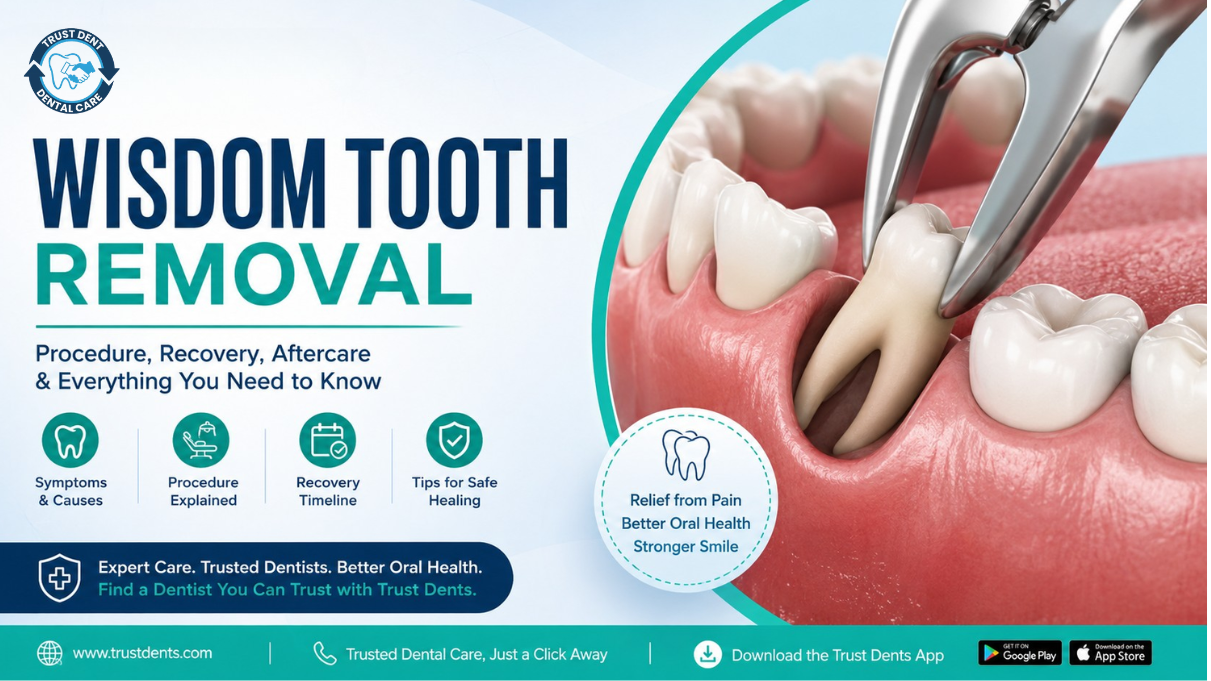
Wisdom Tooth Removal: Everything You Need to Know Before the Procedure
Wisdom tooth removal is one of the most common oral surgery procedures performed by dentists and oral surgeons worldwide. While some wisdom teeth grow normally without causing problems, many become impacted or partially erupted, leading to pain, swelling, infections, and damage to surrounding teeth.
If you’re experiencing discomfort at the back of your mouth or your dentist has recommended wisdom tooth removal, understanding the procedure can help you make informed decisions about your oral health.
At Trust Dents, our goal is to educate patients with reliable, evidence-based dental information while helping them connect with verified dentists across India. Through TrustDents.com and the Trust Dents App, patients can easily find experienced dental professionals, book appointments, and learn about the latest dental treatments.
What is a Wisdom Tooth?
A wisdom tooth, also known as the third molar, is the last permanent tooth to erupt. Most people develop four wisdom teeth – one in each corner of the mouth.
Wisdom teeth generally appear between the ages of 17 and 25 years, although some people may never develop them.
When there is enough space in the jaw, wisdom teeth may erupt normally and function like other molars. However, many people do not have enough room, resulting in impacted or misaligned wisdom teeth that require wisdom tooth removal.
Why is Wisdom Tooth Removal Necessary?
Not every wisdom tooth needs to be removed. However, dentists often recommend wisdom tooth removal when the tooth causes pain, infection, or damage to neighboring teeth.
Common reasons include:
- Impacted wisdom teeth
- Recurrent gum infections
- Tooth decay
- Gum disease
- Cysts around the wisdom tooth
- Crowding of adjacent teeth
- Difficulty cleaning the area
- Jaw pain
- Orthodontic treatment planning
Removing problematic wisdom teeth early can help prevent more serious dental complications later.
Signs You May Need Wisdom Tooth Removal
Many wisdom teeth remain trapped beneath the gums and may not cause symptoms immediately.
Common signs include:

Persistent Tooth Pain
Pain at the back of the mouth is often the first indication that wisdom tooth removal may be needed.
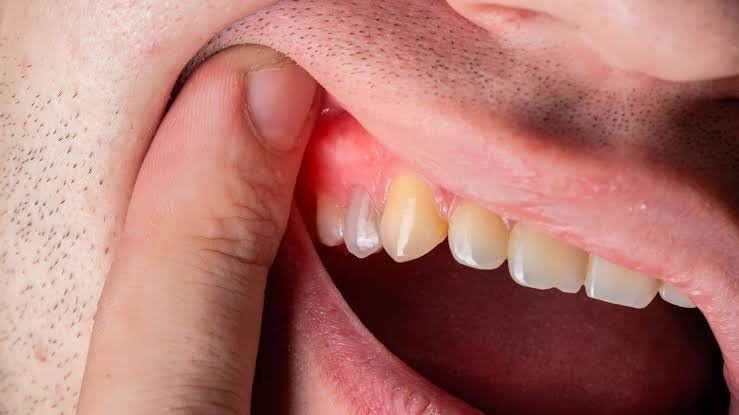
Swollen Gums
Inflamed or swollen gums around the wisdom tooth may indicate infection or partial eruption.

Difficulty Opening Your Mouth
Jaw stiffness or limited mouth opening may occur when impacted wisdom teeth become infected.

Bad Breath
Food and bacteria trapped around partially erupted wisdom teeth can cause bad breath and unpleasant taste.
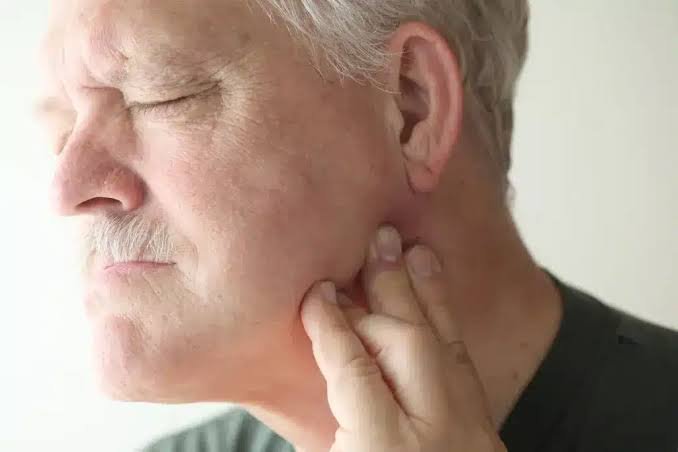
Swelling Around the Jaw
Facial swelling near the jaw can be a sign of infection requiring immediate dental evaluation.
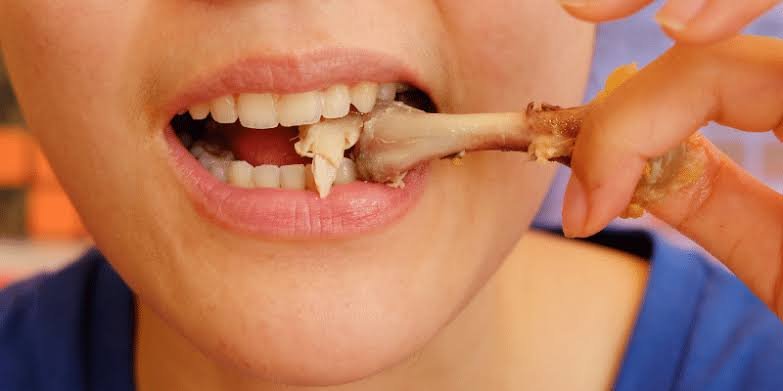
Frequent Food Trapping
If food constantly becomes lodged behind your last molars, cleaning becomes difficult and increases the risk of infection.
Types of Impacted Wisdom Teeth
Understanding the position of the tooth helps determine the complexity of wisdom tooth removal.
Vertical Impaction
The tooth is upright but unable to erupt completely.
Horizontal Impaction
The wisdom tooth grows sideways toward the neighboring tooth.
Mesioangular Impaction
The tooth tilts forward toward the second molar.
Distoangular Impaction
The wisdom tooth tilts backward away from the adjacent tooth.
When Should Wisdom Teeth Be Removed?
Dentists generally recommend wisdom tooth removal when:
- The tooth causes repeated infections
- There is insufficient jaw space
- Orthodontic treatment requires additional room
- A cyst develops
- The wisdom tooth damages nearby teeth
- Tooth decay cannot be treated properly
- Gum disease develops around the wisdom tooth
Early evaluation often makes removal easier and recovery faster.
Wisdom Tooth Removal Procedure
Understanding the process can reduce anxiety before surgery.
Your dentist will perform:
- Clinical examination
- Digital X-rays
- OPG (Panoramic X-ray)
- CBCT Scan (if necessary)
These help determine the tooth's position and surgical complexity.
Before wisdom tooth removal, the treatment area is numbed using local anesthesia.
For complex cases, sedation or general anesthesia may be recommended.
Depending on the tooth position:
- A small incision may be made.
- Bone surrounding the tooth may be removed.
- The tooth may be divided into smaller sections.
- The wisdom tooth is carefully extracted.
The surgical site is cleaned thoroughly to remove debris and reduce infection risk.
Is Wisdom Tooth Removal Painful?
One of the most common concerns about wisdom tooth removal is pain.
The procedure itself is not painful because local anesthesia completely numbs the treatment area.
After surgery, mild discomfort, swelling, and soreness are normal and usually improve within a few days with prescribed medication and proper aftercare.
Recovery After Wisdom Tooth Removal
Recovery varies depending on the complexity of the extraction.
First 24 Hours
- Mild bleeding
- Swelling
- Jaw stiffness
- Ice packs recommended
Days 2–3
- Swelling peaks
- Soft foods only
- Continue medications
- Avoid smoking
Days 4–7
- Swelling begins to reduce
- Most patients return to normal activities
Two Weeks
Most surgical sites heal significantly, although complete bone healing takes several months.
Foods to Eat After Wisdom Tooth Removal
Eating the right foods helps promote healing after wisdom tooth removal.
Recommended foods include:
- Yogurt
- Mashed potatoes
- Oatmeal
- Smoothies (without a straw)
- Soups
- Scrambled eggs
- Soft rice
- Applesauce
- Cottage cheese
Foods to Avoid
Avoid:
- Hard foods
- Nuts
- Chips
- Popcorn
- Sticky foods
- Hot beverages
- Alcohol
- Carbonated drinks
Using a straw should also be avoided, as suction may dislodge the blood clot and lead to dry socket.
Possible Risks of Wisdom Tooth Removal
Although wisdom tooth removal is generally safe, potential complications include:
- Dry socket
- Infection
- Bleeding
- Temporary numbness
- Swelling
- Jaw stiffness
- Delayed healing
Choosing an experienced oral surgeon significantly reduces these risks.
Tips for Faster Recovery
To recover quickly after wisdom tooth removal:
- Rest for 24–48 hours
- Apply ice packs
- Take medications as prescribed
- Eat soft foods
- Stay hydrated
- Avoid smoking
- Maintain oral hygiene carefully
- Attend follow-up appointments
Benefits of Wisdom Tooth Removal
Removing problematic wisdom teeth offers several long-term benefits:
- Relief from pain
- Reduced infection risk
- Better oral hygiene
- Prevention of gum disease
- Protection of neighboring teeth
- Improved jaw health
- Easier orthodontic treatment
- Reduced risk of cyst formation
Frequently Asked Questions
How long does wisdom tooth removal take?
Most procedures take 20–60 minutes, depending on the tooth’s position.
Is wisdom tooth removal safe?
Yes. It is a routine and safe oral surgery when performed by a qualified dentist or oral surgeon.
How many days does recovery take?
Most patients recover within 7–10 days, while complete bone healing takes a few months.
Can I go to work after wisdom tooth removal?
Many patients return to work or school within 2–3 days, depending on the complexity of the procedure.
What is dry socket?
Dry socket occurs when the protective blood clot becomes dislodged, exposing the underlying bone. It can cause severe pain and requires prompt dental treatment.
Should all wisdom teeth be removed?
No. Healthy, fully erupted wisdom teeth that are easy to clean and do not cause problems may not need removal.
Why Choose Trust Dents?
Why Choose Trust Dents for Your Dental Care?
Finding the right dentist for wisdom tooth removal is just as important as understanding the procedure itself.
Trust Dents is India’s trusted digital dental platform that helps patients connect with verified dentists and oral surgeons while providing evidence-based oral health education.
With Trust Dents, you can:
- Find experienced oral surgeons near you
- Book dental appointments online
- Explore trusted dental clinics
- Learn about oral surgery and preventive dental care
- Read expert-written dental blogs
- Access reliable treatment information
- Stay informed about the latest dental procedures
Download the Trust Dents App
Take your dental care wherever you go with the Trust Dents App.
App Features
- Find verified dentists near you
- Book appointments online
- Explore dental implant specialists
- Read expert oral health articles
- Receive dental check-up reminders
- Save your dental records
- Get updates on the latest dental treatments
The Trust Dents App is designed to make quality dental care more accessible, convenient, and patient-focused.


Whether you need wisdom tooth removal, dental implants, root canal treatment, orthodontics, or preventive dental care, the Trust Dents App helps you access trusted dental professionals with confidence.
Final Thoughts
Wisdom tooth removal is a common and highly effective procedure that helps prevent pain, infection, crowding, and long-term oral health complications. Early diagnosis and timely treatment can make the procedure simpler and recovery smoother.
At Trust Dents, we believe that informed patients make better healthcare decisions. That’s why we provide reliable oral health education and connect individuals with verified dental professionals across India. Visit TrustDents.com or download the Trust Dents App to find experienced dentists, book appointments, and take the next step toward a healthier smile.
wisdom tooth removal, wisdom tooth extraction, impacted wisdom tooth, wisdom tooth pain, wisdom tooth surgery, third molar removal, wisdom tooth recovery, wisdom tooth symptoms, oral surgery, impacted tooth, swollen gums, wisdom tooth infection, wisdom tooth aftercare, dry socket, oral health, dental care, tooth extraction, oral surgeon, Trust Dents, Trust Dents App