Common Dental Problems You Shouldn’t Ignore
A healthy smile isn’t just about having white teeth. Your teeth and gums can provide important clues about your overall oral health.
Problems such as bleeding gums, tooth stains, enamel erosion from acidic drinks, and ineffective brushing caused by worn-out toothbrush bristles can sometimes be overlooked because they may initially seem minor.
The good news is that many oral health problems can be reduced through consistent daily care, healthy habits, and regular dental examinations.
From choosing the right toothbrush to limiting frequent exposure to acidic soft drinks, small changes can make a meaningful difference to your dental health.
In this guide, we’ll discuss some common dental problems and simple preventive steps you can take to protect your teeth and gums.
1. Bleeding Gums: Why Are Your Gums Bleeding?
Seeing blood while brushing or flossing can be concerning, but many people simply ignore it.
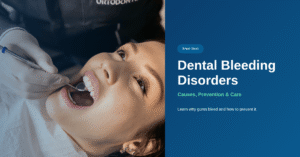
Bleeding gums can be a sign of gum inflammation or gum disease. Plaque that isn’t adequately removed can irritate the gums and contribute to gingivitis. Symptoms may include red, swollen, sore or bleeding gums.
Common Causes of Bleeding Gums
Some possible causes include:
- Plaque buildup
- Gingivitis
- Poor oral hygiene
- Inadequate cleaning between teeth
- Brushing too aggressively
- Certain dental conditions or other health-related factors
If your gums regularly bleed when brushing, flossing, or eating, don’t simply assume that bleeding is normal.
What Can You Do About Bleeding Gums?
Maintaining a consistent oral hygiene routine is an important first step.
- Brush twice daily with fluoride toothpaste.
- Use a soft-bristled toothbrush.
- Clean between your teeth every day with floss or an appropriate interdental cleaner.
- Avoid aggressive brushing.
- Schedule a dental examination if bleeding continues.
Cleaning between the teeth is particularly important because toothbrush bristles cannot effectively reach every interdental surface.
Persistent or recurring gum bleeding should be evaluated by a dental professional.
2. Soft Drinks and Tooth Stains: Are Your Teeth Really Getting Stained?
Soft drinks are popular, but frequent consumption can create more than just cosmetic concerns.
Many soft drinks contain acids, and frequent exposure to acidic beverages can contribute to dental erosion, which is the chemical loss of tooth structure caused by acids. The American Dental Association identifies frequent consumption of soft drinks, particularly carbonated beverages, as an important risk factor for erosive tooth wear.
How Do Soft Drinks Affect Your Teeth?
There are two different concerns to understand: staining and enamel erosion.
Some beverages can contribute to surface discoloration, while their acidity can also affect the protective enamel covering your teeth.
As enamel becomes thinner due to erosion, the underlying dentin can become more visible, which may make teeth appear more yellow. Acid erosion can also contribute to sensitivity and, in advanced cases, significant tooth structure loss.
Why Is the Acidic Nature of Soft Drinks a Concern?
The frequency and duration of acid exposure matter.
Regularly sipping acidic drinks throughout the day can expose your teeth to repeated acid challenges. This can increase the risk of erosive tooth wear.
How Can You Protect Your Teeth?
You don’t necessarily have to completely change your lifestyle overnight. Start by reducing frequent exposure.
Try to:
- Reduce how often you consume soft drinks.
- Avoid slowly sipping acidic drinks for long periods.
- Drink water after consuming acidic beverages.
- Avoid holding or swishing acidic drinks around your teeth.
- Consider using a straw positioned toward the back of the mouth when appropriate.
- Wait before brushing after acidic exposure rather than brushing immediately.
The ADA recommends rinsing with water after acidic drinks and avoiding immediate brushing because acid can temporarily soften the tooth surface.
3. Worn-Out Toothbrush Bristles: Is Your Toothbrush Still Doing Its Job?
Your toothbrush is one of the most important tools in your daily oral hygiene routine.
But using the same toothbrush for too long can reduce its effectiveness.
The American Dental Association recommends replacing toothbrushes approximately every three to four months, or sooner if the bristles become visibly frayed or matted.
Why Do Worn Bristles Matter?
Over time, toothbrush bristles can become:
- Frayed
- Bent
- Flattened
- Matted
- Less effective at cleaning plaque
A worn toothbrush may not clean as effectively as a new brush.
This is particularly important if you brush twice a day, as regular use gradually affects the condition of the bristles.
Should You Wait Exactly Three Months?
Not necessarily.
Three months is a useful reminder, not a strict expiration date.
If your bristles become frayed or matted earlier, replace your toothbrush sooner. Likewise, if your dentist recommends replacing it more frequently based on your oral hygiene needs, follow that advice.
What Type of Toothbrush Should You Use?
A soft-bristled toothbrush is generally recommended because it can effectively clean teeth while reducing the risk of gingival abrasion associated with harder brushing.
Remember: brushing harder doesn’t mean brushing better.
Technique, consistency, and gentle pressure matter.
4. Why Should You Change Your Toothbrush Every 3 Months?
One of the easiest oral-health habits to remember is:
New season = new toothbrush.
Replacing your toothbrush every three to four months helps ensure that you’re using bristles that remain effective for cleaning.
You should consider replacing your toothbrush earlier if:
- Bristles are visibly frayed.
- Bristles are bent or flattened.
- The toothbrush looks worn.
- You’ve been brushing particularly aggressively.
- Your dentist recommends an earlier replacement.
The ADA specifically recommends replacement every three to four months or sooner when bristles become visibly worn.
5. Why Are Regular Dental Check-Ups Important?
One of the biggest mistakes people make is visiting the dentist only when something hurts.
Some dental problems can develop without obvious symptoms in the early stages.
Regular dental examinations can help dental professionals identify potential problems earlier, when they may be easier to manage.
What Can a Dental Check-Up Help Identify?
Depending on your individual needs, a dental examination can help assess:
- Tooth decay
- Gum disease
- Plaque and tartar buildup
- Tooth wear and enamel erosion
- Tooth sensitivity
- Dental infections
- Existing dental restorations
- Other oral health concerns
Is a Dental Check-Up Every Six Months Necessary?
The phrase “bi-annual dental check-up” is commonly used to encourage people to maintain regular dental visits.
However, there isn’t one universal schedule that is appropriate for everyone.
Your dentist may recommend an examination schedule based on factors such as your oral health, history of dental problems, gum health, age, risk factors, and treatment needs.
The key message is simple:
Don’t wait for severe pain before getting your teeth checked.
Regular dental visits can help identify problems before they become more complicated.
6. Daily Habits That Can Help Protect Your Teeth and Gums
Preventive dental care starts at home.
A simple routine can include:
Brush Twice a Day
Brush your teeth twice daily with fluoride toothpaste. The ADA recommends brushing for two minutes twice a day using a soft-bristled toothbrush.
Clean Between Your Teeth
Floss or use another suitable interdental cleaner every day to remove plaque and food particles that toothbrush bristles cannot effectively reach.
Limit Frequent Sugary and Acidic Drinks
Frequent exposure to sugary and acidic beverages can increase the risk of dental problems, including tooth decay and enamel erosion.
Drink More Water
Water can help rinse the mouth after meals and acidic drinks and supports saliva’s natural protective role.
Replace Your Toothbrush Regularly
Replace your toothbrush approximately every three to four months or sooner if the bristles become worn.
Don’t Ignore Warning Signs
Bleeding gums, persistent sensitivity, tooth pain, swelling, bad breath, or visible changes in your teeth deserve attention.
7. When Should You Visit a Dentist?
Consider scheduling a dental examination if you experience:
- Regular gum bleeding
- Persistent toothache
- Tooth sensitivity
- Swollen or painful gums
- Loose teeth
- Persistent bad breath
- Visible tooth discoloration or damage
- Pain while eating or drinking
- A broken or chipped tooth
- Changes in your bite
Some symptoms may require prompt professional evaluation. For example, persistent bleeding gums can be associated with gum disease, while tooth pain can sometimes indicate decay or infection.
8. A Simple Oral Health Checklist
Use this checklist to make your dental routine easier:
| Dental Habit | Recommended Action |
|---|---|
| Brushing | Twice daily with fluoride toothpaste |
| Toothbrush | Soft bristles |
| Toothbrush replacement | Every 3–4 months or sooner if worn |
| Interdental cleaning | Daily |
| Soft drinks | Reduce frequency and avoid prolonged sipping |
| After acidic drinks | Rinse with water |
| Gum bleeding | Don’t ignore persistent bleeding |
| Dental check-ups | Follow a schedule recommended by your dentist |
| Tooth pain/sensitivity | Get professionally evaluated |
9. Trust Dent: Making Preventive Dental Care Easier
Good dental health isn’t only about treating problems after they occur. Prevention, early detection, and regular professional care are equally important.
Trust Dent aims to make dental care more accessible by helping users discover dental professionals, specialists, diagnostic services, and other dental-care resources through one platform.
Whether you’re looking for a routine dental check-up, concerned about bleeding gums, experiencing tooth sensitivity, or looking for professional advice about stains and enamel erosion, finding the right dental professional is an important first step.
Don’t wait for a dental problem to become an emergency. Take care of your smile today.
Final Thoughts
Bleeding gums, soft-drink-related stains and enamel erosion, worn toothbrush bristles, and missed dental check-ups may seem like small concerns, but they can be important reminders to pay closer attention to your oral health.
A healthy dental routine doesn’t have to be complicated.
Brush twice a day, clean between your teeth, limit frequent exposure to acidic and sugary drinks, replace your toothbrush every three to four months, and maintain regular dental visits based on your dentist’s recommendations.
Most importantly, don’t ignore changes in your teeth or gums.
Your smile deserves consistent care—not just treatment when something goes wrong.
Take the first step toward better oral health with Trust Dent.